ESD Floor Installation
Conductive and static-dissipative ESD floor systems for electronics manufacturing, server rooms, telecom, cleanrooms and explosive-atmosphere areas across Greater Accra — a copper earthing grid bonded to a moisture-tested slab under a conductive epoxy or PU screed, installed and resistance-tested to the specified ohms range. Floor Experts Ghana — over 30 years of flooring expertise.
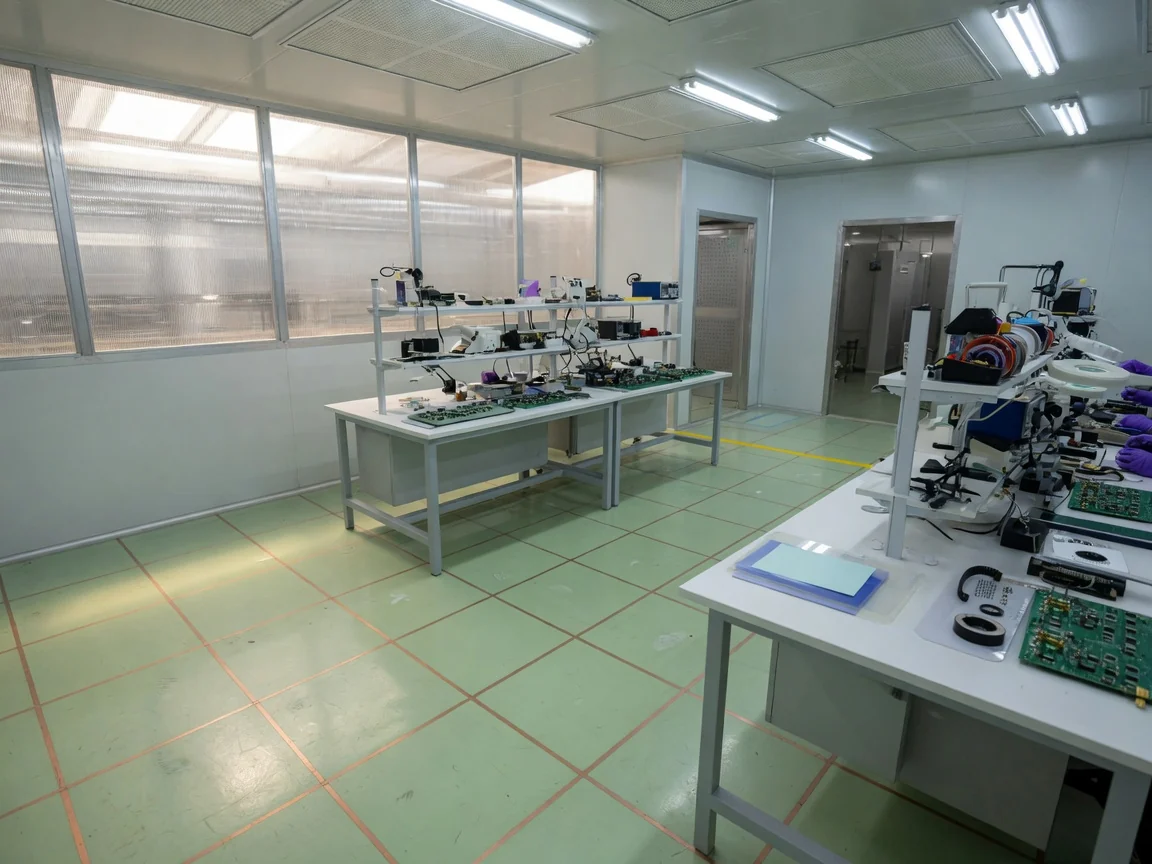
ESD floor installation is the installation of an electrostatic-discharge control floor — a conductive or static-dissipative resin system bonded to an earthing grid — that drains static charge safely to ground for electronics manufacturing, server and data rooms, telecom facilities, cleanrooms and explosive-atmosphere areas across Greater Accra. An ESD floor is an electrical system as much as a floor finish: its performance is defined by resistance to earth and proven by testing, not by appearance. Floor Experts Ghana installs technical resin floor systems across Ghana with over 30 years of flooring expertise.
Why ESD Floors Fail in Ghana’s Conditions — and How We Prevent It
An ESD floor fails when it is treated as a coloured coating rather than an electrical system. The single most common failure is a missing or broken earthing network: a conductive resin laid without a properly-installed, building-earthed copper grid has nothing to drain charge into, so it reads dead however “conductive” the product. The second is the same enemy every resin floor faces here — substrate moisture blistering the film — and the third is contamination, where ordinary waxes or the wrong cleaning products slowly insulate the surface.
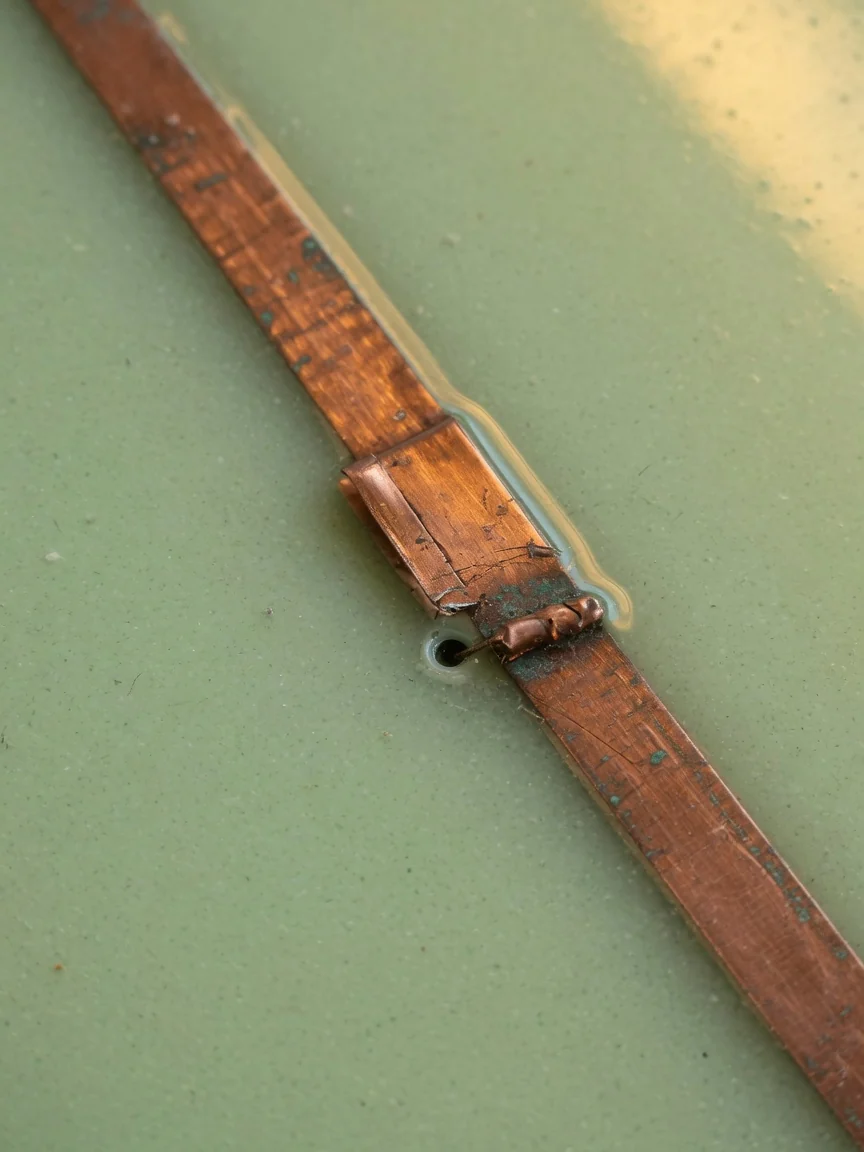
We treat the floor as the electrical circuit it is. The slab is moisture-tested and diamond-ground, a copper earthing grid is laid and bonded to the building earth at defined points, a conductive primer and the ESD body are installed to keep the whole floor electrically continuous, and the finished floor is resistance-tested to earth across a grid of points and recorded against the specified range. That evidence — not the colour — is what proves an ESD floor works.
ESD Floor Systems We Install in Accra
Conductive Epoxy Floors
Lower-resistance conductive systems that bleed charge away quickly — specified for explosive atmospheres, magazines and environments where fast discharge is required.
Static-Dissipative Epoxy & PU Floors
Controlled-resistance dissipative systems that discharge gently — the standard for electronics assembly, server and data rooms and telecom facilities where components must be protected.
ESD Self-Levelling & Cleanroom Grades
Flat, seamless conductive self-levelling systems finished to cleanroom hygiene for laboratories, pharmaceutical and precision-manufacturing areas.
Earthing, Bonding & Certification
The copper earthing grid, bonding to building earth and post-installation resistance testing that make any of the above actually perform — installed and documented.
The ESD Flooring Standards We Work To
| Standard / control | What it governs | Why it decides the floor |
|---|---|---|
| Target resistance range (Ω to earth) | Conductive vs dissipative | Matches the floor’s discharge rate to the equipment or standard being protected |
| Copper earthing grid + building bond | Grounding network | The physical path that actually drains static — without it the floor is inert |
| Substrate moisture testing | Slab dryness | Prevents blistering that would break electrical continuity |
| Conductive primer & continuous build | Electrical continuity | Keeps the whole floor connected to earth, not just the surface |
| Post-install resistance testing | Verification | Documented proof the floor performs within the specified range |
How We Install an ESD Floor
- Define the electrical target & survey — conductive or dissipative, target resistance, slab moisture-tested.
- Diamond grinding & earthing grid — slab prepared, copper grid laid and bonded to building earth.
- Conductive primer & ESD build — conductive primer and dissipative/conductive body installed continuously.
- Resistance testing & certification — tested to earth and point-to-point, readings recorded for handover.
Conductive vs Dissipative — Choosing the Grade
| Grade | Resistance | Typical use |
|---|---|---|
| Conductive | Lower (faster discharge) | Explosive atmospheres, magazines, some electronics |
| Static-dissipative | Controlled/higher | Electronics assembly, server & data rooms, telecom |
| ESD cleanroom | Dissipative + hygiene | Labs, pharmaceutical, precision manufacturing |
What Affects the Cost
- The resistance grade and whether conductive or dissipative
- The earthing grid, bonding points and certification testing
- Slab preparation, moisture control and any substrate repair
- Area (m²), access, and cleanroom or hygiene requirements
Every quote follows a site survey of the room and its electrical requirement — no fixed rate is given first.
Applications Across Ghana
- Electronics manufacturing and assembly lines
- Server rooms, data centres and telecom facilities in Accra
- Cleanrooms, laboratories and pharmaceutical areas
- Explosive-atmosphere and defence storage areas
Areas We Serve
Floor Experts Ghana installs ESD floors across Accra, Tema, Kumasi and beyond — surveyed, installed, tested and guaranteed by a trusted Ghanaian contractor with over 30 years of flooring expertise.
Related Services
- Epoxy Floor Installation — full industrial and commercial resin systems
- Epoxy Self-Levelling — flat, seamless self-smoothing screeds
- Concrete Floor Installation — power-floated and polished substrates
- Floor Maintenance & Repair — recoating and repair, including ESD-safe upkeep
Frequently Asked Questions
What is the difference between a conductive and a static-dissipative floor? Both drain charge to earth, at rates defined by resistance. Conductive is lower-resistance and discharges quickly (explosive atmospheres, some electronics); dissipative is controlled/higher-resistance and discharges gently (electronics assembly, server rooms). We install to the required range.
Why do ESD floors stop working? Usually a wrong or broken earthing grid, or contamination from waxes and the wrong cleaners. An ESD coating only works bonded to a properly building-earthed copper grid. We install the grid correctly and advise on ESD-safe maintenance.
Can you test and certify the floor? Yes — we resistance-test to earth and point-to-point after cure and record the readings against the specified range as documented handover evidence.
How much does an ESD floor cost? Quoted on survey — driven by the resistance grade, earthing grid, slab preparation and moisture, area and access.